What people ask us
How much does septic tank pumping cost?
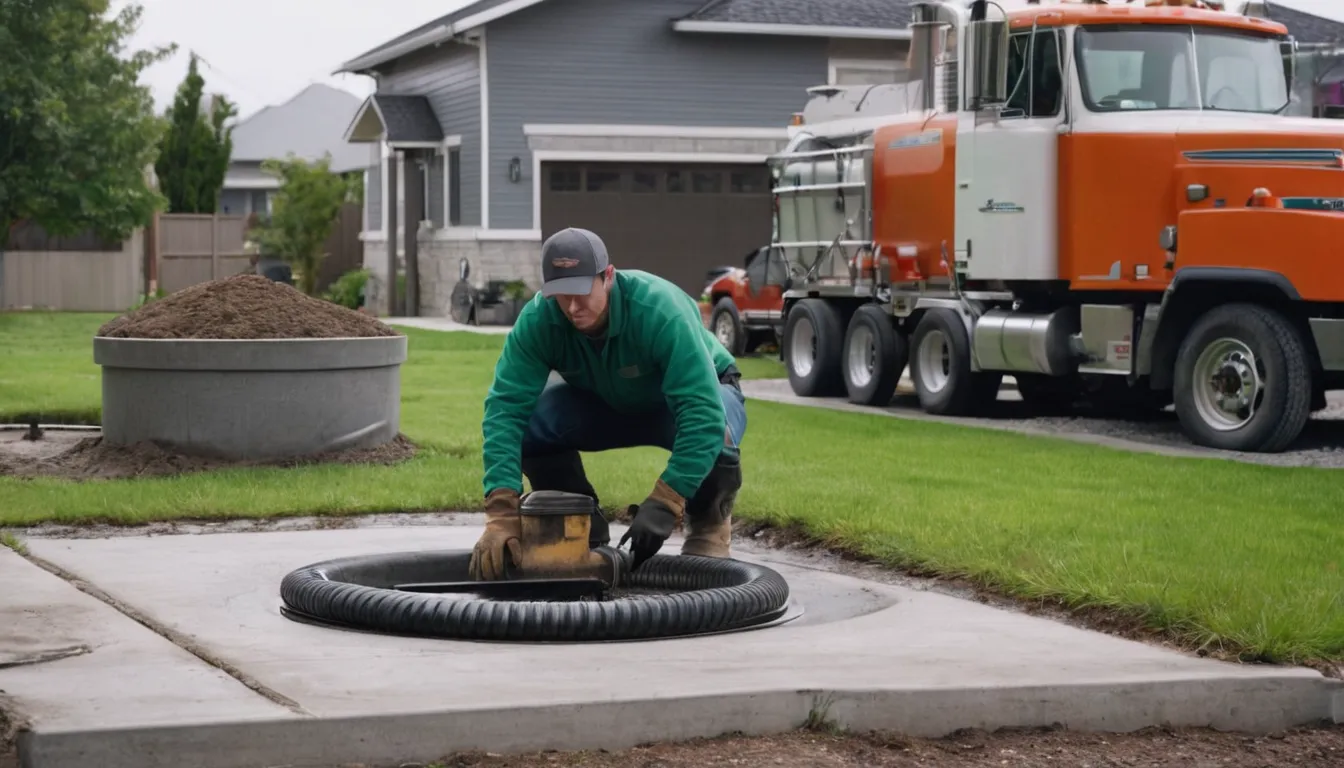
Typical U.S. prices for septic tank pumping run from about $300 to $700. Tank size, access, distance to the disposal site and how full the tank is all change the number. Buried lids or a hard-to-reach tank can add charges. Prices vary by job, so ask the provider for a quote in writing before work starts.
Can I fix a sewage backup myself?
Some steps are safe. Stop the water, keep people and pets away from the spill, and open windows if odors build. Do not mix drain chemicals or enter a tank or pit, because the gases can be deadly. Digging, pipe work and tank work belong to a qualified provider.
How often should a septic tank be pumped?
Many households pump every three to five years. A larger family, a garbage disposal or a small tank shortens that gap. A provider can measure the sludge and scum layers and suggest a schedule. Skipping pumping sends solids to the drainfield, and drainfield repair costs far more than routine service.
What are the signs my septic system is failing?
Watch for slow drains, gurgling pipes, sewage odors, and soggy or unusually green patches over the drainfield. A backup in the bottom-floor drain, often a basement floor drain, is a late warning. Spring flooding and heavy storms can make these signs appear fast. Limit water use and request an assessment.
What should I do first during a sewage backup?
First hour first: stop the water. Skip showers, laundry and the dishwasher. If water is near outlets, stay out and shut off power only from a dry spot. Keep children and pets away. Then Request a callback to check provider availability, and ask about emergency septic cleaning if the tank is overfull.
Does homeowners insurance cover septic problems?
Some policies may cover sudden damage, such as a backup from a covered event. Wear, age and neglect are often excluded. Check your policy and ask your insurer about backup coverage. Providers can often help document damage for a claim with notes and photos.
Can I wait to pump a full tank?
Waiting usually makes it worse. A full tank pushes solids toward the drainfield, where they clog the soil. Backups can show up within days. Over weeks, the drainfield can fail. Deep frost also makes tank access harder, so schedule pumping before winter sets in.
Do septic providers also handle water well service?
Not always. Some providers in our network also offer water well service, but many focus on septic and sewer work. If your well sits near the drainfield, tell the provider. Consider testing the water after a failure or a flood. Ask what each provider handles when you request an estimate, so there are no surprises later.